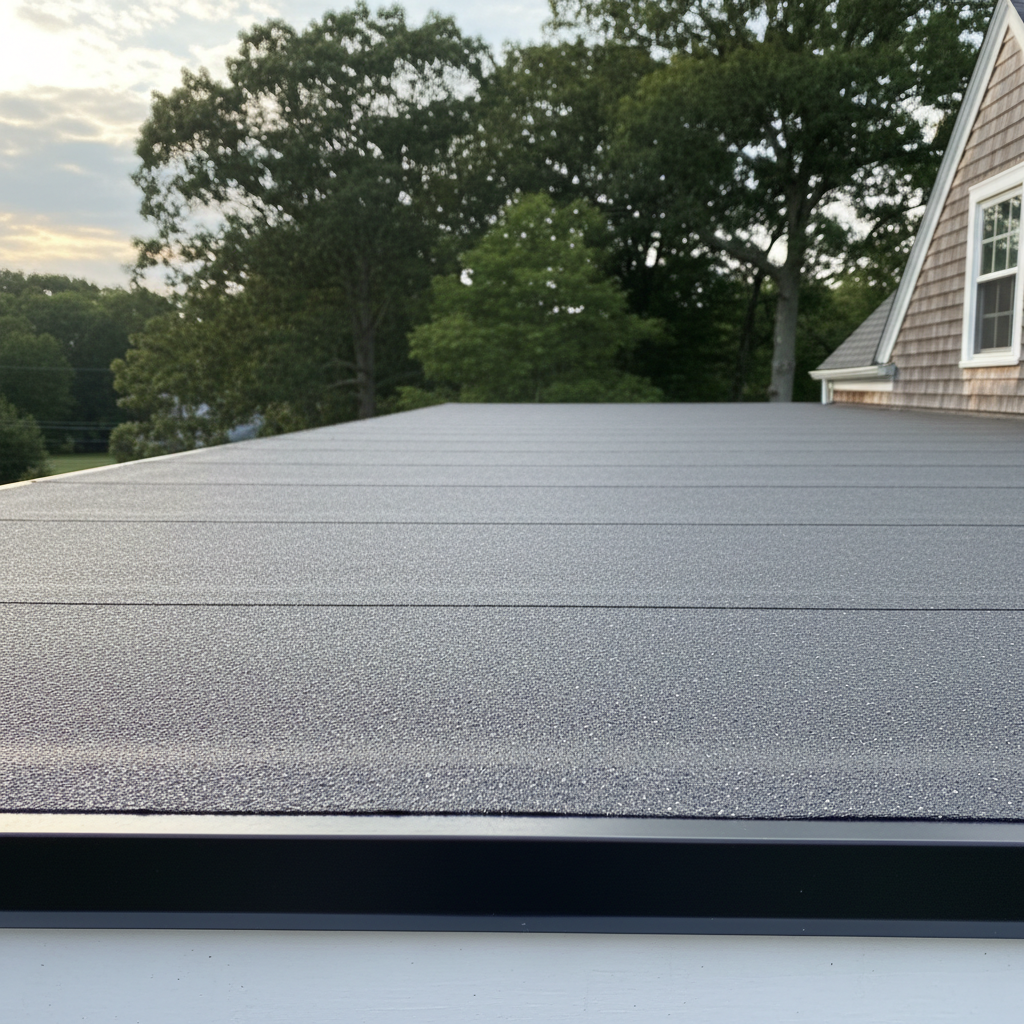
Getting to Know Your Flat Roof: What to Check Before We Start
Flat roofs, or low-slope roofs as we often call 'em, are pretty common around here, especially on additions, garages, or even some modern homes. They aren't truly flat, mind you; they've got a slight pitch to drain water, usually about 1/4 inch per foot. If it was truly flat, water would just sit there, and you'd have a pond, not a roof. And nobody wants a pond on their roof, right?
Before you even think about repairs or replacement, you need to understand what you're dealing with. Is it EPDM (that black rubber stuff), TPO (usually white or gray, a bit more rigid), or modified bitumen (often looks like rolled asphalt with granules)? Each material has its own quirks and maintenance needs. Knowing this helps you figure out what you might be able to tackle yourself and what's definitely a pro job.
What can you do yourself before calling anyone? A lot, actually. Get up there safely, of course, and give it a good look. Check for standing water after a rain. Look for cracks, blisters, or tears in the membrane. Pay close attention to seams and flashing around vents, skylights, and parapet walls. These are the usual suspects for leaks. If you see a small tear, say, less than a few inches, and you know what material you have, you might be able to patch it yourself with a manufacturer-approved kit. It's a temporary fix, but it can buy you some time.
But here's the thing: if you're seeing widespread cracking, multiple blisters, or water stains on your ceiling, you're probably past the DIY patch stage. That's when you need a professional assessment. Don't wait until water is pouring through your light fixture. Catching problems early saves a ton of money down the road.
The Project Itself: When to DIY, When to Call Premium Roofing & Siding
Alright, so you've identified a problem. Now what? For minor issues, like a small, isolated puncture or a loose seam that's just starting to lift, you *can* try a DIY repair. You'll need the right patch kit for your specific roof material, a good cleaner, and a roller. Follow the instructions to the letter. It's not rocket science, but it does require attention to detail. Make sure the area is clean and dry, and apply the patch firmly.
However, anything beyond that, and you're really playing with fire. Replacing an entire flat roof, or even a large section, is absolutely not a DIY project for most homeowners. We're talking about:
- Properly removing the old membrane, which can be heavy and messy.
- Inspecting and potentially repairing the deck underneath.
- Putting in new insulation to meet current energy codes – that's a big deal for keeping your heating and cooling bills down, especially with our chilly Wakefield winters.
- Applying a new membrane correctly, making sure it sticks well and the seams are tight. This is crucial for preventing leaks.
- Dealing with all the flashing details around edges, penetrations, and drains. This is where most leaks happen if it's not done perfectly.
Trying to do a full replacement yourself often leads to costly mistakes, like improper drainage, poor adhesion, or missed details that cause leaks within a year or two. Then you're paying a pro to fix your DIY fix, which usually costs more than if you'd just called us in the first place. For major repairs or replacements, you really need the expertise and specialized tools that a company like Premium Roofing & Siding brings to the table. We have the experience to handle the nuances of different flat roof systems and make sure it's installed right, the first time.
After the Project: Keeping Your Flat Roof in Top Shape
So, the new roof is on, or the repair is done. Great! But your job isn't over. Regular maintenance is key to getting the full lifespan out of your flat roof. And this is where you can definitely do a lot yourself.
First, keep it clean. Flat roofs tend to collect debris – leaves, branches, pine needles (especially if you're near some of the older, treed neighborhoods like around Tuckertown Road). This debris can block drains and scuppers, leading to standing water. Standing water is the enemy of any flat roof, speeding up deterioration and increasing the risk of leaks. So, a couple of times a year, or after any big storm, get up there and clear off any gunk. While you're at it, check the drains and make sure they're flowing freely.
Second, do a visual inspection. Just like before the project, keep an eye out for new issues. Look for any new cracks, blisters, or areas where the membrane might be lifting. Small problems are always easier and cheaper to fix than big ones. If you spot something concerning, take a picture and give us a call. We can tell you if it's something minor you can handle or if it warrants a professional look.
Finally, avoid walking on your flat roof unnecessarily. Every step puts stress on the membrane, especially in hot weather when it's softer. If you do need to get up there for maintenance, wear soft-soled shoes and try to distribute your weight. A well-maintained flat roof can last 20-30 years, sometimes even longer. But it needs a little love and attention, both from you and from us when the bigger jobs come around.