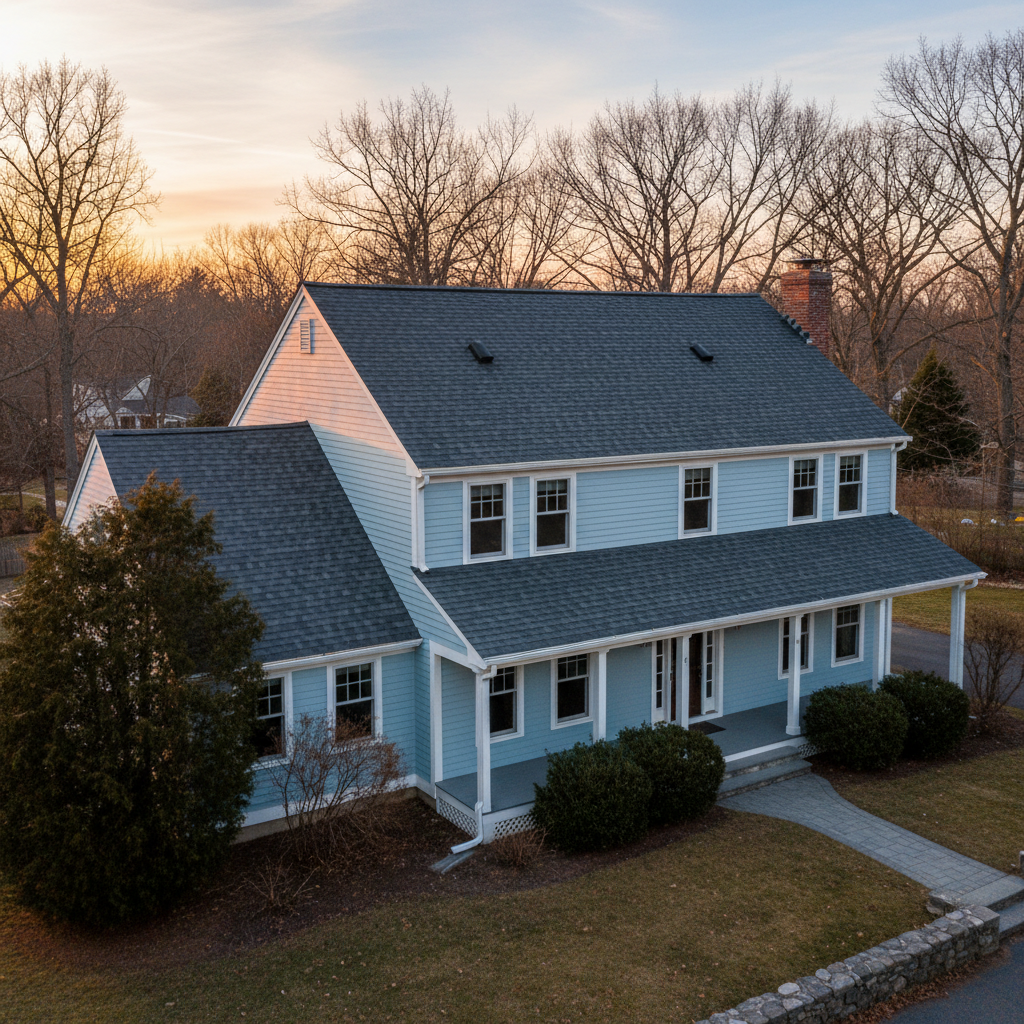
So, you're thinking about a new roof. Good for you. It's one of the biggest investments you'll make in your home, and getting the timing right can save you a lot of headaches and money down the line. Here in Wakefield, we know a thing or two about weather, and that plays a huge role in roof replacement.
When's the Best Time to Replace Your Roof Around Here?
Honestly, there's no single 'perfect' time, but there are definitely better windows. For most folks, spring and fall are ideal. Why? Because the temperatures are usually pretty moderate. We're not dealing with the scorching humidity of July or the frozen fingers of January.
- Spring (April-June): This is a popular time, and for good reason. The ground's thawed, the days are getting longer, and we generally have a good stretch of mild weather. The only real challenge can be those unpredictable spring showers. We've got to watch the forecast closely, because nobody wants a half-done roof when a downpour hits.
- Fall (September-November): Another excellent window. The summer heat has broken, and we usually get some crisp, clear days. It's cool enough for the crew to work comfortably, and warm enough for materials like asphalt shingles to properly seal. You want those shingles to 'thermally seal' or 'cure' properly, and that needs a bit of sun and warmth. If you wait too long into November, you risk hitting those colder temps that make sealing difficult.
Summer can work, but it's tough. Imagine being on a black roof in July with the sun beating down. It's brutal for the crew, and the heat can make some materials a bit too pliable, leading to potential issues if not handled just right. Winter? We try to avoid it unless it's an emergency. Working on an icy roof is dangerous, and many materials just don't perform well in freezing temperatures. Shingles can become brittle and crack, and sealants won't adhere properly.
Weather Conditions That Affect the Job
It's not just the season, it's the day-to-day weather. Believe me, we're checking the forecast constantly. Here's what we look out for:
- Rain: This is the big one. We can't tear off an old roof and leave your home exposed to the elements. If rain is in the forecast, we'll likely reschedule. We might be able to get a small section done and tarp it off, but a full replacement needs clear skies.
- High Winds: Strong winds are a safety hazard for the crew and can make it tough to keep materials from blowing off the roof. Plus, newly installed shingles need time to settle before a big gust comes along and tries to peel them back.
- Extreme Cold: As I mentioned, cold makes shingles brittle. They won't seal properly, and they're more prone to cracking during installation. It also makes sealants less effective. This is especially true for those older homes in places like Matunuck, where you might have multiple layers of old roofing that need careful removal.
- Extreme Heat: While not as bad as cold, extreme heat can make shingles too soft. They can scuff easily, and it's just plain dangerous for the guys working up there.
We'll always communicate any weather-related delays with you. Your home's protection is our top priority, and sometimes that means waiting an extra day or two for the right conditions.
Protecting Your Roof Investment Year-Round
Once you've got that beautiful new roof from Premium Roofing & Siding, you want it to last, right? Here's what you can do:
- Keep it Clean: Those pine needles and leaves from our beautiful Rhode Island trees can build up in valleys and gutters. This traps moisture and can lead to rot or ice dams in winter. A good cleaning once or twice a year goes a long way.
- Trim Those Branches: Overhanging branches can rub against your shingles, causing wear. They also drop debris and can become a hazard in a storm, falling onto your roof. Keep them trimmed back a few feet.
- Check Your Gutters: Clogged gutters don't just overflow; they can cause water to back up under your shingles, leading to fascia damage and leaks. Make sure they're clear, especially before winter.
- Look for Damage After Storms: After a big nor'easter or a heavy wind storm, take a quick look from the ground with binoculars. See any missing shingles? Any lifted edges? Catching small issues early prevents them from becoming big, expensive problems.
- Ventilation is Key: A well-ventilated attic helps regulate temperature and moisture, preventing mold growth and extending the life of your shingles. If your attic feels like an oven in summer or has condensation in winter, you might have a ventilation issue.
A new roof is a big deal, and getting it done right, at the right time, with the right conditions, makes all the difference. We're always here to answer your questions and help you figure out the best plan for your Wakefield home. Don't hesitate to give Premium Roofing & Siding a call.